
Fertility Specialist Melbourne
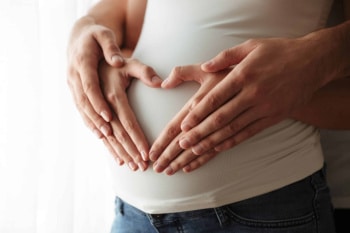
Planning Pregnancy

Fertility Diet

Improving Natural Fertility
Meet Dr Kokum Jayasinghe – Your Melbourne Fertility Specialist
Dr Kokum Jayasinghe is a highly experienced fertility specialist in Melbourne dedicated to helping individuals and couples navigate their path to parenthood. With extensive training in reproductive medicine and gynaecological surgery, Dr Kokum combines clinical expertise with genuine compassion—informed by her own personal experience with fertility challenges.
As a fertility specialist who has walked this journey herself, Dr Kokum understands the emotional weight that comes with trying to conceive. This lived experience shapes every consultation, ensuring patients feel truly heard, supported, and empowered throughout their treatment.
Dr Kokum holds specialist qualifications in obstetrics, gynaecology, and reproductive endocrinology. She is an accredited fertility specialist with Melbourne IVF and maintains active affiliations with leading Melbourne hospitals. Her commitment to ongoing education ensures patients receive care aligned with the latest evidence-based practices in reproductive medicine.
Whether you're just beginning to explore your fertility options or have been trying for some time, Dr Kokum provides a safe, supportive environment where your concerns are taken seriously and your goals are prioritised.
A leading specialist in fertility & gynaecological care that genuinely supports you throughout your pregnancy journey.
With a focus on non-invasive and natural methods to increase the chances of fertility and improved reproductive health, I provide treatments that are tailored and personalised for you – aligned with what you’re comfortable with, your future goals and most importantly, a doctor who responds to all your potential concerns and worries.
Keep reading to learn more about how to better prepare for your pregnancy journey naturally; including advice on planning for pregnancy, the fertility diet, and methods in improving natural fertility.
My medical knowledge is only half the story — Fertility Specialist Dr. Kokum Jayasinghe
As a fertility specialist who has helped hundreds of families and individuals start and grow their families – My personal lived experiences of my own fertility challenges bring a new light to the fertility treatments I provide for my patients. I have walked in your shoes. I know myself what this journey means..
Even though at the time it was extremely burdensome dealing with infertility and the emotions that come with it, I believe that my past experiences bring a new light to the fertility treatments I provide for my patients.
With a deeper understanding of your concerns, I not only make sure that you’re given the best level of patient care but ensure you feel emotionally supported and have help available whenever you’re in need.

Fertility Treatments We Offer in Melbourne
As a comprehensive fertility specialist in Melbourne, Dr Kokum offers the full spectrum of assisted reproductive treatments tailored to your unique circumstances. Every treatment plan begins with thorough investigation and honest conversation about what approach best suits your situation, medical history, and personal preferences.
IVF (In Vitro Fertilisation)
IVF remains one of the most effective fertility treatments available. The process involves stimulating the ovaries to produce multiple eggs, retrieving those eggs, fertilising them with sperm in a laboratory setting, and transferring a resulting embryo to the uterus. Dr Kokum guides patients through each stage of IVF with clear communication and personalised protocols designed to optimise your chances of success while prioritising your wellbeing.
Intrauterine Insemination (IUI)
IUI involves placing prepared sperm directly into the uterus around the time of ovulation, increasing the likelihood of fertilisation. This treatment suits couples with mild male factor infertility, unexplained infertility, or those using donor sperm. Dr Kokum carefully assesses whether IUI is appropriate for your situation and provides thorough monitoring throughout treatment cycles.
Egg Freezing and Fertility Preservation
Elective egg freezing has become an increasingly popular choice for women who want to preserve their fertility for the future. Whether you're focused on career goals, haven't yet found the right partner, or simply want more control over your reproductive timeline, egg freezing offers flexibility and peace of mind. Dr Kokum provides comprehensive fertility assessments including AMH testing and ovarian reserve evaluation to help you make informed decisions about timing and approach.
ICSI (Intracytoplasmic Sperm Injection)
When male factor infertility is significant, ICSI offers a solution by injecting a single sperm directly into an egg. This technique has transformed outcomes for couples facing severe sperm abnormalities and is performed as part of an IVF cycle when indicated.
Ovulation Induction and Timed Intercourse
For patients with ovulation disorders or irregular cycles, ovulation induction using oral or injectable medications can significantly improve conception chances. Combined with careful cycle monitoring and timed intercourse, this approach offers a less invasive pathway to pregnancy that many couples find successful.
Donor Conception Options
For single women, same-sex couples, or those requiring donor gametes, Dr Kokum provides supportive, non-judgmental care throughout the donor conception process. Options include donor sperm, donor eggs, and donor embryos, with access to comprehensive counselling and coordination services.
Conditions Treated by Our Melbourne Fertility Clinic
Understanding the underlying causes of fertility difficulties is essential to effective treatment. As an experienced fertility specialist in Melbourne, Dr Kokum diagnoses and manages a wide range of reproductive conditions affecting both conception and pregnancy outcomes.
Polycystic Ovary Syndrome (PCOS)
PCOS is one of the most common causes of irregular ovulation and infertility in women. Symptoms may include irregular periods, excess hair growth, acne, and difficulty losing weight. Dr Kokum takes a holistic approach to PCOS management, addressing metabolic health alongside fertility treatment to improve both conception chances and long-term wellbeing.
Recurrent Miscarriage
Experiencing multiple pregnancy losses is emotionally devastating. Dr Kokum provides thorough investigation into potential causes, including hormonal, anatomical, genetic, and immunological factors, and offers targeted treatment and close monitoring during subsequent pregnancies.
Endometriosis
Endometriosis occurs when tissue similar to the uterine lining grows outside the uterus, causing inflammation, pain, and potential damage to reproductive organs. As both a fertility specialist and skilled laparoscopic surgeon, Dr Kokum offers comprehensive endometriosis assessment and minimally invasive surgical treatment where appropriate, helping to optimise your fertility potential.
Age-Related Fertility Decline
Fertility naturally declines with age, particularly after 35, due to reducing egg quantity and quality. Dr Kokum offers honest, evidence-based counselling about age-related fertility and works with you to develop time-sensitive treatment plans that maximise your chances of success.
Unexplained Infertility
When standard investigations reveal no clear cause for difficulty conceiving, the diagnosis of unexplained infertility can feel frustrating. Dr Kokum works methodically through evidence-based treatment options—from lifestyle optimisation and ovulation support through to IVF—ensuring you understand the rationale behind each recommendation.
Tubal Blockages and Uterine Conditions
Blocked fallopian tubes, uterine polyps, fibroids, adhesions, and septums can all impair fertility. Dr Kokum is experienced in hysteroscopic and laparoscopic surgery to diagnose and correct these conditions, restoring a healthy reproductive environment.
Why choose Dr. Kokum Jayasinghe? Your trusted Fertility Specialist
With every one of your visits at my clinic and all throughout your experiences working with me as your fertility specialist, you can always expect the following:
My first job is to listen
Everyone who walks through my door becomes a friend. I help you remain hopeful while I apply all my years of medical knowledge to finding the right solution for you. When you come and see me, I want to know everything about you to make sure we follow the right path together. Then I can match my medical knowledge to your unique experience.
I focus on remedies to enhance natural conception wherever possible
Many of my patients look for simple or surgical remedies to enhance their chances of natural conception – and the great news is, there are many cases where this is possible and can be achieved for a successful pregnancy. With all my treatments, I place a large focus on improving the chances of natural conception first, then assisted technologies thereafter.
Inclusive Fertility Care for Patients of All Backgrounds & Situations
Regardless of whether you’re a single woman looking to freeze her eggs, in a couple experiencing male and/or female factor infertility, in a same-sex relationship looking to grow a family, or any other unique situation, my team and I are 100% inclusive and welcoming, striving to achieve the best possible outcomes for your circumstances.
Making babies is about making bonds
Throughout your entire treatment experience, I’ll always be available to meet face-to-face and provide the high level of personalised care that you deserve – tailored specifically for your needs and unique situation. Whatever your reasons may be for seeking fertility treatment, you’ll be supported by myself and my leading team of fertility specialists throughout your entire journey.
Dedicated Fertility Specialist Offering Compassionate, Empathetic Support
By providing treatment built around compassion, empathy, and well-rounded support, I make sure that you feel valued as more than just a patient. I always take the time to hear your story and personally connect with you – even beyond your infertility or gynaecological issues. I’m here not just as your fertility specialist or gynaecologist, but someone who is here to help you feel happier, healthier, and experience a better quality of life – even after treatment and beyond.
Patient Resources

Your First Visit
We’ll advise what you need to bring

Brochure
Download our free pamphlets on fertility

Opening Hours
Get in touch for our opening hours

Appointments
Request an appointment
Our Approach to Fertility Care
Every patient who visits Dr Kokum's Melbourne fertility clinic receives care built around three core principles: thorough investigation, honest communication, and emotional support.
Thorough Investigation
Understanding why you're having difficulty conceiving is the foundation of effective treatment. Dr Kokum conducts comprehensive assessments including detailed medical history, blood tests for hormonal and ovarian reserve markers, pelvic ultrasound, and semen analysis. Where indicated, she performs surgical investigations such as laparoscopy or hysteroscopy to identify conditions that may not appear on imaging.
Honest Communication
Fertility treatment involves complex decisions, and you deserve clear, honest information to guide those choices. Dr Kokum takes time to explain findings, discuss realistic expectations, and outline all available options—including their success rates, risks, and costs. She encourages questions and ensures you never feel rushed.
Emotional Support
The fertility journey can be emotionally exhausting. Dr Kokum recognises that her role extends beyond medical treatment to encompass genuine emotional support. Her clinic provides a calm, welcoming environment where you can express concerns openly, and she connects patients with counselling services when additional support would be beneficial.
Professional Affiliations






Follow me on Instagram

Frequently Asked Questions on Fertility
When should I see a fertility specialist?
You should consider booking an appointment if:
- You are under 35 and have been trying to conceive for 12 months
- You are over 35 and have been trying for 6 months
- You have irregular or painful periods
- You have known reproductive conditions (PCOS, endometriosis, fibroids, polyps)
- You have had two or more miscarriages – or after any miscarriage if you are worried
- Your AMH is low, or your cycle is changing
- You want to freeze your eggs or preserve fertility
- You are a same-sex couple or single woman exploring donor conception
Early assessment means earlier answers — and better outcomes.
What should I expect during my first consultation?
In your first appointment with Dr. Kokum, you can expect:
- A detailed medical and reproductive history
- Review of previous tests, cycles, or miscarriages
- Ultrasound assessment (if required)
- A discussion of your fertility goals
- A clear, step-by-step plan moving forward
Most patients leave the first consultation feeling heard, reassured, and empowered with a roadmap toward achieving pregnancy.
Are there lifestyle changes that may improve fertility?
Yes, and even small changes can make a meaningful difference.
Dr. Kokum commonly supports patients in:
- Achieving a healthy weight
- Reducing sugar and improving metabolic health
- Managing stress
- Optimising sleep
- Reducing alcohol
- Stopping smoking or vaping
- Supporting nutrition including supplements where appropriate
These changes can improve natural fertility, IVF outcomes, and overall wellbeing.
What types of fertility surgery can help improve my chances of conceiving?
Many patients require minor or advanced fertility surgery to improve their chances of conceiving naturally or through treatments like IUI or IVF. As an experienced fertility surgeon, Dr. Kokum performs diagnostic and corrective procedures to optimise the uterus and reproductive system.
Common uterine conditions affecting fertility include:
- Intrauterine polyps
- Submucosal fibroids
- Uterine septum
- Adhesions (Asherman’s)
- Cervical abnormalities
These can cause difficulty conceiving, recurrent implantation failure, or miscarriage.
Dr. Kokum specialises in the investigation and surgical management of these conditions using minimally invasive techniques such as:
- Hysteroscopic polypectomy
- Hysteroscopic fibroid removal
- Septum resection
- Laparoscopic treatment of pelvic pathology
Restoring a healthy uterine environment can significantly improve fertility outcomes, and Dr. Kokum will guide you through the most appropriate pathway for your situation.
How does endometriosis affect fertility, and what assessment and treatment options does Dr Kokum offer to help manage it?
Endometriosis is a common condition that can significantly impact fertility due to inflammation, scarring, and disruption to the pelvic organs. Symptoms may include severe period pain ,pain with intercourse, or difficulty conceiving.
As a fertility specialist and gynaecological surgeon, Dr. Kokum provides comprehensive endometriosis assessment and management, including:
- Individualised fertility planning
- Ultrasound and diagnostic investigations
- Minimally invasive endometriosis excision surgery where appropriate
- IVF or egg freezing where appropriate
Her goal is to help you understand your condition clearly and guide you toward the most effective and evidence-based pathway to achieve a pregnancy—whether naturally or through assisted reproductive treatments.
Is elective egg freezing a good option for me?
Elective egg freezing is an increasingly popular option for women who want to protect their future fertility. Many women choose to freeze their eggs if they are not ready to conceive yet due to career goals, study, travel, personal circumstances, or waiting for the right partner.
Egg quality declines with age — especially after 35 — so freezing eggs earlier means preserving younger, healthier eggs for use later in life.
As a fertility specialist, Dr. Kokum offers personalised fertility assessment and guidance, including:
- AMH testing (egg reserve)
- Ultrasound and ovarian health evaluation
- Customised egg-freezing plans
- Evidence-based success rate counselling
- Long-term fertility planning
Elective egg freezing is not a guarantee, but it provides women with choice, confidence, and control over their reproductive future.
To find out whether this is the right option for you, Dr. Kokum will assess your individual situation and discuss the most appropriate timing and approach.
How do I book an appointment with Dr. Kokum Jayasinghe?
Booking is simple.
You can:
- Use our online booking system via the homepage
- Call the clinic directly
- Request a GP referral to claim your Medicare rebate
Dr. Kokum and her team look forward to supporting you on your fertility journey with compassion, expertise, and personalised care.
Book a Consultation with a Melbourne Fertility Specialist
Taking the first step can feel daunting, but you don't have to navigate this journey alone. Dr Kokum and her team are here to support you with compassionate, expert care tailored to your unique circumstances.