
Recurrent Miscarriages
Experiencing two or more miscarriages can be devastating. At Dr Kokum’s Melbourne fertility clinic, we understand the emotional and physical toll recurrent miscarriages take and provide comprehensive, compassionate care to help you move forward.

What Are Recurrent Miscarriages?
Recurrent miscarriages (also called recurrent pregnancy loss) are defined as two or more consecutive pregnancy losses before 20 weeks. While many women go on to have healthy pregnancies, identifying and addressing underlying causes significantly improves outcomes.
Common Causes of Recurrent Miscarriages
Dr Kokum conducts a detailed evaluation to identify potential contributing factors, including:
- Hormonal imbalances (e.g., thyroid disorders, PCOS)
- Anatomical issues (uterine polyps, fibroids, septum, or cervical weakness)
- Genetic or chromosomal abnormalities
- Immunological conditions
- Blood clotting disorders
- Age-related egg quality decline
- Unexplained factors (in up to 50% of cases)

How Dr Kokum Investigates Recurrent Miscarriages
Dr Kokum conducts a detailed evaluation to identify potential contributing factors, including:
- Hormonal imbalances (e.g., thyroid disorders, PCOS)
- Anatomical issues (uterine polyps, fibroids, septum, or cervical weakness)
- Genetic or chromosomal abnormalities
- Immunological conditions
- Blood clotting disorders
- Age-related egg quality decline
- Unexplained factors (in up to 50% of cases)
Personalised Treatment for Recurrent Miscarriages
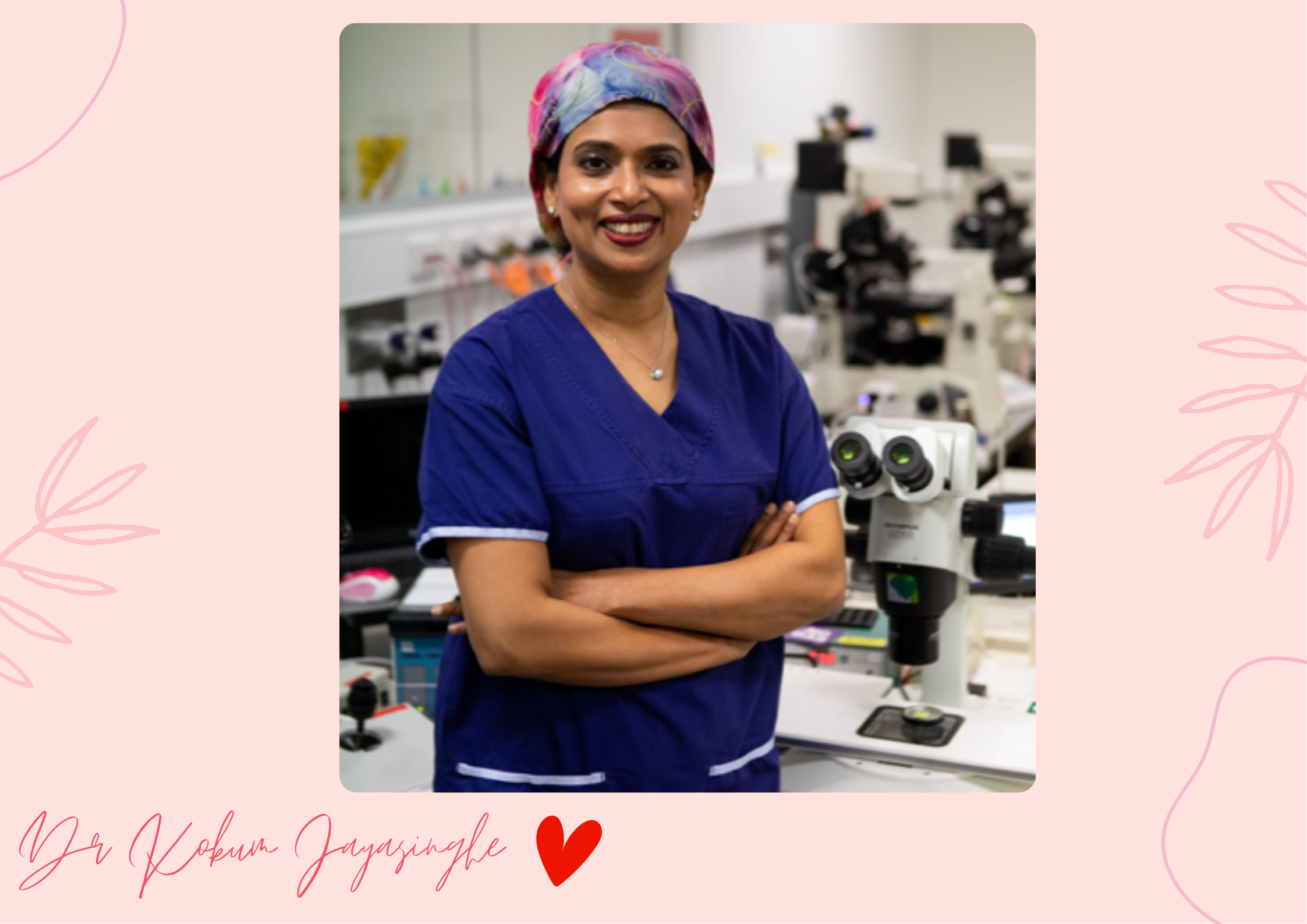
Dr Kokum conducts a detailed evaluation to identify potential contributing factors, including:
- Hormonal imbalances (e.g., thyroid disorders, PCOS)
- Anatomical issues (uterine polyps, fibroids, septum, or cervical weakness)
- Genetic or chromosomal abnormalities
- Immunological conditions
- Blood clotting disorders
- Age-related egg quality decline
- Unexplained factors (in up to 50% of cases)
Emerging Treatments and Areas of Ongoing Research
For some patients with recurrent miscarriage, standard investigations may not identify a clear cause, or previous treatments may not have been successful. In these situations, there are a number of emerging therapies and areas of ongoing research that may be considered in selected cases.
The evidence supporting some of these treatments continues to evolve, and not all are universally recommended or appropriate for every patient. Dr Jayasinghe takes an evidence-based yet open-minded approach, carefully reviewing the available research, your individual circumstances, and your previous treatment history before discussing whether any additional therapies may be worth considering.
The goal is to develop a personalised management plan that balances current scientific evidence with the unique needs and preferences of each patient.
Emotional Support During Your Journey
Dr Kokum recognises that recurrent miscarriages affect more than just physical health. Her clinic provides a supportive environment with access to counselling and ongoing emotional care throughout investigation and treatment.


When Should You See a Fertility Specialist?
You should consider booking an appointment with Dr Kokum if you have had two or more miscarriages, or even after one loss if you are concerned or have other risk factors.
Frequently Asked Questions About Recurrent Miscarriages
What investigations are done for recurrent miscarriages?
Dr Kokum performs a full workup including blood tests, ultrasound, and, when needed, laparoscopy or hysteroscopy to identify hormonal, genetic, anatomical, or immunological causes.
Can surgery help prevent recurrent miscarriages?
Yes. When uterine conditions such as polyps, fibroids, or a septum are found, minimally invasive laparoscopy or hysteroscopic surgery can often restore a healthy environment for pregnancy.
How soon after a miscarriage can I try to conceive again?
Most women can try again after one normal menstrual cycle, but Dr Kokum will provide personalised advice based on your medical history and any required investigations.
Does age affect the risk of recurrent miscarriages?
Yes. Fertility and egg quality naturally decline after 35, increasing the risk of miscarriage. Dr Kokum offers honest, evidence-based guidance on age-related fertility and treatment options.
Are there lifestyle changes that may reduce miscarriage risk?
Optimising weight, managing conditions like PCOS, reducing alcohol, stopping smoking, and improving nutrition can all support a healthy pregnancy. Dr Kokum provides tailored lifestyle advice as part of your care plan.
Ready to get answers and support?
Request an appointment with Dr Kokum Jayasinghe, Melbourne fertility specialist, today.
Or email: drjayasinghe.reception@mivf.com.au