
Unexplained Infertility
Unexplained infertility can be one of the most frustrating diagnoses to receive. When standard fertility tests show no clear reason for difficulty conceiving, many couples feel uncertain about the next steps. At Dr Kokum’s Melbourne fertility clinic, we take a detailed and methodical approach to investigate possible underlying factors that may have been missed, while providing compassionate, personalised support.

What Is Unexplained Infertility?
Unexplained infertility is diagnosed when a couple has been trying to conceive for 12 months (or 6 months if the woman is over 35) with no identifiable cause after basic investigations, including semen analysis, ovulation tracking, and assessment of the fallopian tubes and uterus. It affects up to 30% of couples experiencing infertility.
Natural Occurrence of Unexplained Infertility
Unexplained infertility often first becomes apparent during natural conception attempts. Many couples have regular cycles, normal ovulation, and no obvious reproductive issues yet still struggle to conceive month after month. In some cases, subtle factors such as mild endometriosis, diminished ovarian reserve, endometrial receptivity problems, or lifestyle influences may be contributing, even when initial tests appear normal. Dr Kokum focuses on identifying these hidden factors to improve natural conception chances where possible.

Common Hidden Causes of Unexplained Infertility
Although standard tests may not reveal a cause, Dr Kokum investigates more deeply for potential contributing factors, including:
- Mild or undiagnosed endometriosis
- Subtle hormonal imbalances or PCOS
- Reduced egg quality or ovarian reserve not detected by basic tests
- Uterine or endometrial abnormalities
- Immune or clotting disorders
- Sperm DNA fragmentation
- Lifestyle and environmental factors
How Dr Kokum Investigates Unexplained Infertility
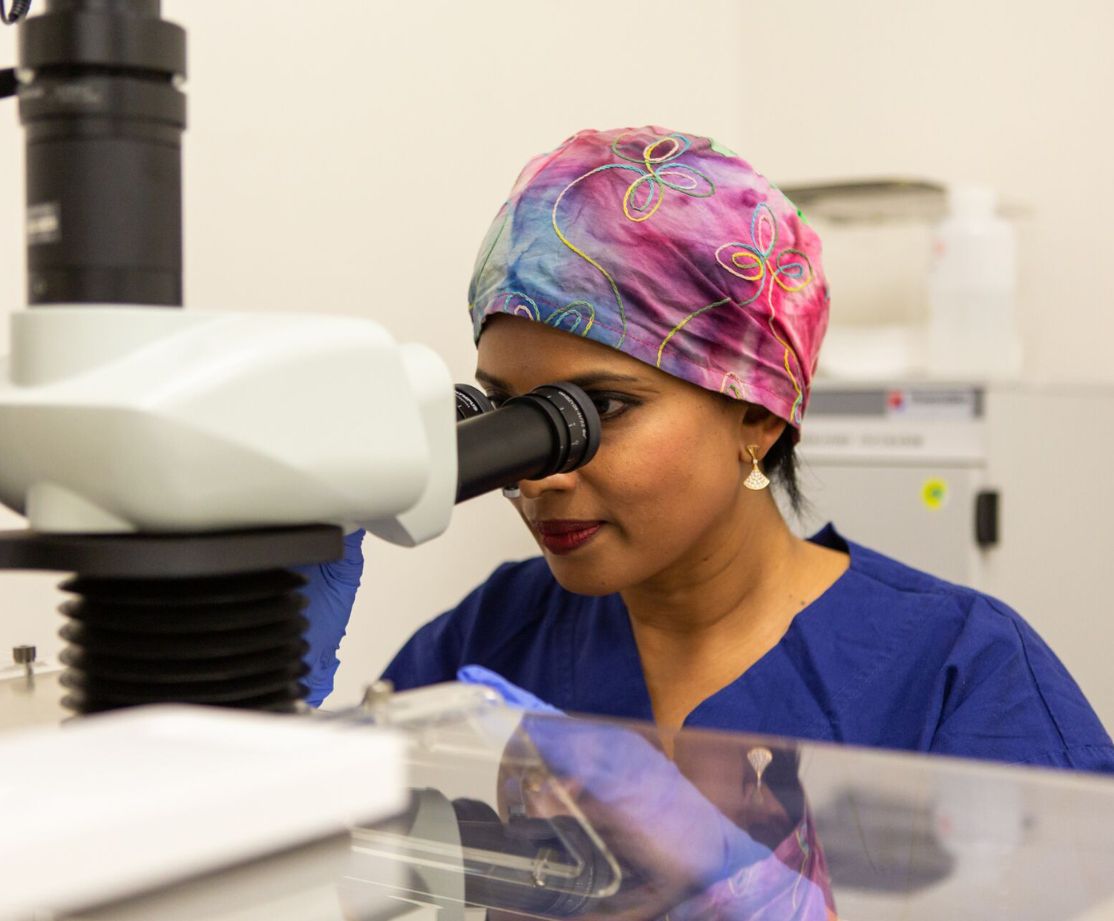
Dr Kokum goes beyond basic testing to uncover potential reasons for infertility:
- Comprehensive medical history and cycle review
- Advanced blood tests for hormones and ovarian reserve
- Detailed pelvic ultrasound
- Laparoscopy to diagnose and treat conditions such as endometriosis when indicated
- Hysteroscopy for uterine evaluation
- Semen analysis with additional testing if required
Personalised Treatment for Unexplained Infertility
Dr Kokum prioritises less invasive options first and tailors treatment to your individual situation:
- Optimising natural conception through lifestyle and cycle tracking
- Ovulation induction and timed intercourse
- Management of underlying conditions such as endometriosis or PCOS
- Intrauterine insemination (IUI)
- IVF or ICSI when appropriate, with consideration of advanced techniques
- Surgical correction of subtle abnormalities via laparoscopy when beneficial
Emotional Support During Your Journey
A diagnosis of unexplained infertility can cause significant stress and uncertainty. Dr Kokum and her team provide ongoing emotional support and clear communication throughout the investigation and treatment process.


When Should You Seek Help for Unexplained Infertility?
You should consider seeing a fertility specialist if you have been trying to conceive naturally for 12 months (or 6 months if over 35) without success, even if initial tests appear normal.
Frequently Asked Questions About Unexplained Infertility
Can unexplained infertility be treated?
Yes. Even when no clear cause is found, many couples conceive with targeted treatments such as ovulation induction, IUI, or IVF, along with lifestyle optimisation.
Should I have a laparoscopy for unexplained infertility?
Laparoscopy can be very useful in unexplained infertility as it can diagnose and treat conditions like mild endometriosis that may not appear on ultrasound.
Does endometriosis cause unexplained infertility?
Yes. Moderate endometriosis is often missed in basic testing and can contribute to unexplained infertility by causing inflammation and affecting implantation
Can lifestyle changes help with unexplained infertility?
Improving diet, managing weight, reducing stress, and optimising sleep can enhance natural fertility. Dr Kokum provides personalised lifestyle advice as part of your treatment plan.
How long should we try naturally before seeking help?
If you are under 35, seek advice after 12 months of trying. If you are over 35, seek advice after 6 months.You do not need to wait if you have concerns about your periods, fertility, previous surgery, medical conditions, or future family plans. Remember, seeing a fertility specialist does not mean IVF. Often, the first step is simply understanding your fertility and exploring your options.
Ready to get answers and support?
Request an appointment with Dr Kokum Jayasinghe, Melbourne fertility specialist, today.
Or email: drjayasinghe.reception@mivf.com.au