
The greatest challenge of reproductive medicine today is meeting the expectations of women whose fertility has been affected by age. While staying fit, eating well, and avoiding smoking are excellent for your health, the most important prognostic factor for fertility is still age.
How Age Impacts Female Fertility
Most women know that their egg supply gradually runs out towards menopause. However, many don’t realise that despite having regular ovulation in the 10 years leading up to menopause, these monthly ovulations are profoundly subfertile.
The Role of Egg Quality and Chromosomes
As a woman ages, not only are there fewer eggs remaining, but the vital chromosomes within the eggs can often be of the wrong number. When an egg makes a mistake in the chromosome count, fertilisation might happen, but it often won’t develop into a detectable pregnancy, leading to infertility or miscarriage.
This is where IVF can help. By stimulating the ovaries to produce multiple eggs, we can test the resulting embryos for chromosomal abnormalities before transferring them, dramatically reducing the risk of miscarriage.
Taking Control with Egg Freezing
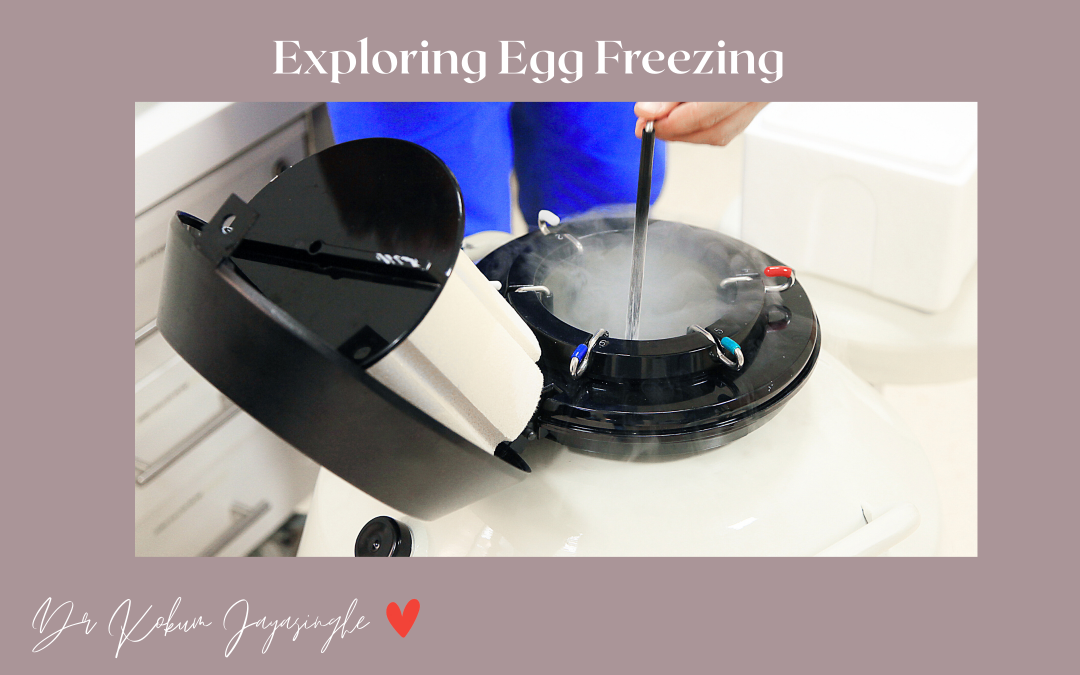
Egg freezing is the first major advance in technology since the birth control pill that truly empowers women to manage their reproductive health.
When is the Best Time to Freeze Your Eggs?
If the decision is made to freeze eggs, it is generally best to do so between the ages of 30 and 35. After 35, fertility begins to deteriorate more rapidly. Through an AMH blood test and a vaginal ultrasound, we can assess your ovarian reserve and tailor a safe stimulation plan.
The Science of Vitrification
Over the last five years, the science applied to egg freezing has revolutionised outcomes. We now use a rapid-freezing process called vitrification, which prevents destructive ice crystals from forming inside the egg. Vitrified eggs retain their reproductive potential with no expiry date.
Exploring Donor Options
For some women, age-related fertility decline means their own eggs may no longer be viable. In these cases, using donor eggs from a younger woman can often make the difference between having a family or not. Similarly, single women and same-sex couples have ready access to donor sperm to build their families. We value and respect all families and are here to guide you through every option.